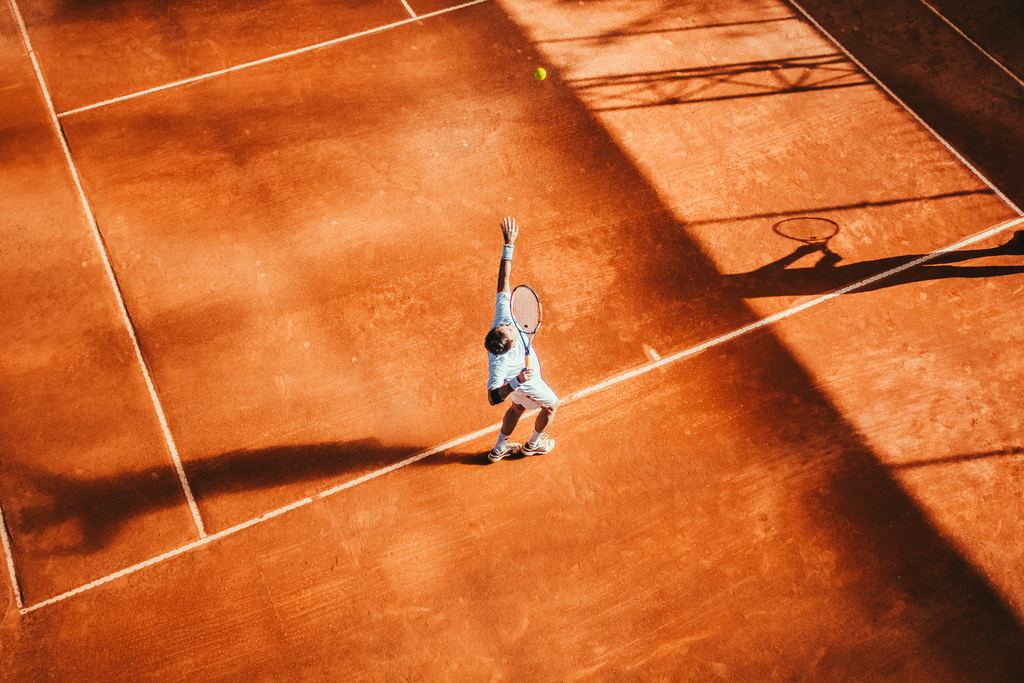
Welcome to “Game, Set, Equip,” your ultimate resource for all things tennis equipment purchases and court maintenance. Whether you’re a seasoned player, a beginner, or a tennis enthusiast looking to enhance your game, this blog is here to provide you with valuable insights, tips, and recommendations to help you make informed decisions about your tennis gear and ensure your tennis court remains in top-notch condition.
Tennis Equipment Purchases:
When it comes to tennis equipment purchases, we understand the importance of finding the right gear that suits your playing style, skill level, and personal preferences. Our blog provides comprehensive reviews, buying guides, and comparisons of tennis racquets, tennis balls, tennis shoes, and other essential gear. We’ll help you navigate the vast array of options available, ensuring that you find the equipment that maximizes your performance and enjoyment on the court.
Tennis Court Maintenance:
Maintaining a well-kept and safe tennis court is crucial for optimal gameplay and player satisfaction. Our blog is dedicated to providing you with expert advice on tennis court maintenance, covering topics such as court resurfacing, repair, cleaning, and overall care. We’ll guide you through the necessary steps to maintain your tennis court’s surface, lines, and nets, ensuring a pristine playing environment that enhances your tennis experience.
Court Resurfacing and Repair:
Over time, tennis courts can show signs of wear and tear, impacting the playing surface and safety. Our blog offers valuable insights into tennis court resurfacing and repair techniques, helping you understand when it’s time for a resurfacing or when repairs are necessary. We’ll share tips on finding professional court resurfacing services and provide guidance on DIY repairs for minor damages. With our guidance, you can extend the lifespan of your tennis court and keep it in top shape for years to come.
Tennis Court Cleaning and Care:
Proper cleaning and regular maintenance are vital for preserving the quality and longevity of your tennis court. We’ll provide you with practical advice on tennis court cleaning techniques, the best equipment for cleaning, and recommended maintenance schedules. Whether it’s removing debris, addressing moss or algae growth, or preventing cracks, our blog will empower you with the knowledge to maintain a clean and safe playing surface.
Tennis Court Renovation and Upgrades:
Looking to take your tennis court to the next level? Our blog will also explore tennis court renovation and upgrade options, including innovative technologies, lighting systems, and fencing solutions. We’ll help you explore cost-effective ways to enhance the aesthetics, functionality, and overall appeal of your tennis court, creating an exceptional playing experience for you and your fellow players.
Stay Connected:
Join our community of tennis enthusiasts and stay connected with the latest trends, product releases, and maintenance techniques in the world of tennis equipment purchases and court maintenance. Be sure to subscribe to our newsletter to receive regular updates and exclusive content straight to your inbox.
Get ready to elevate your game and maintain your tennis court like a pro. Explore our blog for insightful articles, in-depth guides, and expert tips to unlock your full tennis potential and ensure that your tennis court remains in top condition. Welcome to “Game, Set, Equip” – your ultimate resource for all things tennis equipment purchases and court maintenance. Let’s serve up success on and off the court!
- Keeping Courts in Top Shape: The Role of Foam Insulation in Court Maintenance
Maintaining sports courts, whether for tennis, basketball, or multipurpose use, involves more than just surface upkeep and regular cleaning. The environment surrounding the court, including temperature control and moisture management, plays a critical role in preserving the court’s condition and ensuring optimal performance for athletes. Foam insulation has emerged as a valuable tool in court maintenance, providing benefits such as enhanced energy efficiency, moisture control, and overall structural integrity. This blog post explores how foam insulation contributes to effective court maintenance, its applications, benefits, and practical tips for implementation.
The Challenges of Court Maintenance
Maintaining sports courts involves addressing a range of environmental factors that can impact the quality and durability of the playing surface. Key challenges include:
Temperature Fluctuations
Courts located in environments with extreme temperature variations can suffer from surface cracking and warping. Maintaining a consistent temperature is crucial to preserving the integrity of the court surface.
Moisture and Humidity
Excess moisture and high humidity levels can lead to the growth of mold and mildew, as well as deterioration of the court surface and substructure. Effective moisture management is essential for preventing damage and maintaining a safe playing environment.
Energy Efficiency
Indoor sports facilities, including courts, require significant energy for heating, cooling, and lighting. Enhancing energy efficiency is important for reducing operational costs and promoting sustainability.
The Benefits of Foam Insulation for Court Maintenance
Foam insulation offers several key benefits that make it an ideal solution for addressing the challenges of court maintenance:
Superior Temperature Control
Foam insulation, particularly spray foam, provides excellent thermal resistance, helping to maintain stable indoor temperatures. This is crucial for preventing surface damage caused by temperature fluctuations.
Example: Insulating the walls and roof of an indoor tennis court with spray foam helps maintain a consistent temperature, reducing the risk of surface cracking and warping.
Effective Moisture Control
Closed-cell spray foam insulation acts as a moisture barrier, preventing water infiltration and reducing the risk of mold and mildew growth. This is especially important in areas with high humidity or frequent rainfall.
Example: A basketball court insulated with closed-cell spray foam remains dry and free from mold, ensuring a safe and durable playing surface.
Enhanced Energy Efficiency
Foam insulation’s high R-value per inch means it provides superior thermal resistance, reducing the need for heating and cooling and leading to significant energy savings. This is particularly beneficial for large indoor sports facilities.
Example: An indoor sports complex insulated with spray foam experiences lower energy consumption, resulting in reduced operational costs and a smaller environmental footprint.
Increased Structural Integrity
Closed-cell spray foam insulation adds rigidity to walls and roofs, enhancing the structural integrity of the building. This can be especially beneficial for sports facilities that need to withstand high-impact activities and heavy foot traffic.
Example: A multipurpose sports facility with closed-cell spray foam insulation in its walls and roof is better equipped to handle the stresses of regular use, ensuring greater safety and longevity.
Applications of Foam Insulation in Court Maintenance
Foam insulation can be applied in various areas of a sports facility to enhance performance, comfort, and durability. Here are some key applications:
Walls
Spray foam and rigid foam board insulation can be used in the walls of indoor sports facilities to create a well-insulated building envelope. Spray foam is particularly effective in sealing gaps and cracks, while rigid foam boards provide continuous insulation and reduce thermal bridging.
Example: Insulating the walls of an indoor volleyball court with spray foam improves temperature control and energy efficiency, creating a comfortable environment for players and spectators.
Roofs and Ceilings
Insulating the roof and ceilings with foam insulation helps maintain consistent temperatures throughout the facility and prevents heat loss during winter and heat gain during summer. Spray foam insulation can be applied directly to the underside of the roof deck, creating an airtight seal and enhancing energy efficiency.
Example: An indoor basketball court with spray foam insulated roofs and ceilings stays cool in summer and warm in winter, providing a comfortable playing environment year-round.
Subfloor Insulation
Foam insulation can also be used beneath the playing surface to provide additional thermal and moisture protection. This is particularly important for outdoor courts or facilities with poor subsoil conditions.
Example: Insulating the subfloor of an outdoor tennis court with rigid foam boards helps prevent moisture infiltration and maintains a stable playing surface, even in adverse weather conditions.
Exterior Applications
Rigid foam board insulation can be installed on the exterior of a sports facility’s frame to create a continuous insulation layer. This method reduces thermal bridging and enhances the overall energy efficiency of the building.
Example: An indoor sports facility with rigid foam board insulation on its exterior walls boasts improved energy performance and reduced heat loss, contributing to lower utility bills and a more comfortable indoor environment.
Practical Tips for Implementing Foam Insulation in Court Maintenance
To maximize the benefits of foam insulation in court maintenance, it’s important to follow best practices and ensure proper installation:
Choose the Right Type of Foam
Select the appropriate type of foam insulation based on the specific needs of the facility. Open-cell spray foam is ideal for interior applications and soundproofing, while closed-cell spray foam and rigid foam boards are better suited for areas requiring high R-values and moisture resistance.
Tip: Consult with a professional insulation contractor to determine the best type of foam insulation for your sports facility.
Ensure Proper Installation
Proper installation is crucial for maximizing the benefits of foam insulation. Hire experienced and certified installers who understand the intricacies of applying spray foam and installing rigid foam boards.
Tip: Request references and check reviews to find reputable insulation contractors with a proven track record of quality work in sports facilities.
Plan for Ventilation
While foam insulation creates an airtight seal, proper ventilation is still necessary to maintain indoor air quality. Plan for adequate ventilation systems to prevent issues related to air quality and moisture.
Tip: Consider installing mechanical ventilation systems, such as heat recovery ventilators (HRVs), to ensure a healthy indoor environment.
Real-World Examples of Foam Insulation in Sports Facilities
Indoor Tennis Center
An indoor tennis center in Florida used closed-cell spray foam insulation in its walls and roof. This upgrade provided excellent thermal insulation and moisture control, ensuring the courts remained in optimal condition. The insulation also added structural strength, enhancing the overall safety and durability of the facility.
Multipurpose Sports Complex
A multipurpose sports complex in California utilized open-cell spray foam insulation in its interior walls and ceilings to reduce noise levels and improve temperature control. This application provided superior soundproofing, ensuring a quiet and comfortable environment for various sports activities.
Community Recreation Center
A community recreation center in Texas applied rigid foam board insulation on its exterior walls and closed-cell spray foam in its roofs and subfloor. This approach ensured superior energy efficiency and moisture resistance, keeping the facility comfortable and reducing operational costs.
Conclusion
Foam insulation is a powerful tool for maintaining sports courts, offering significant improvements in energy efficiency, temperature control, moisture management, and overall structural integrity. Whether used in walls, roofs, subfloors, or exterior applications, foam insulation provides long-lasting benefits that enhance the performance and durability of sports facilities. By understanding the different types of foam insulation and following best practices for installation, facility managers and builders can create sports environments that stand the test of time and provide optimal conditions for athletes and spectators alike. As the demand for high-quality, sustainable sports facilities continues to grow, foam insulation will play a crucial role in shaping the future of court maintenance.
- Concrete Excellence: The Ultimate Guide to Court Maintenance
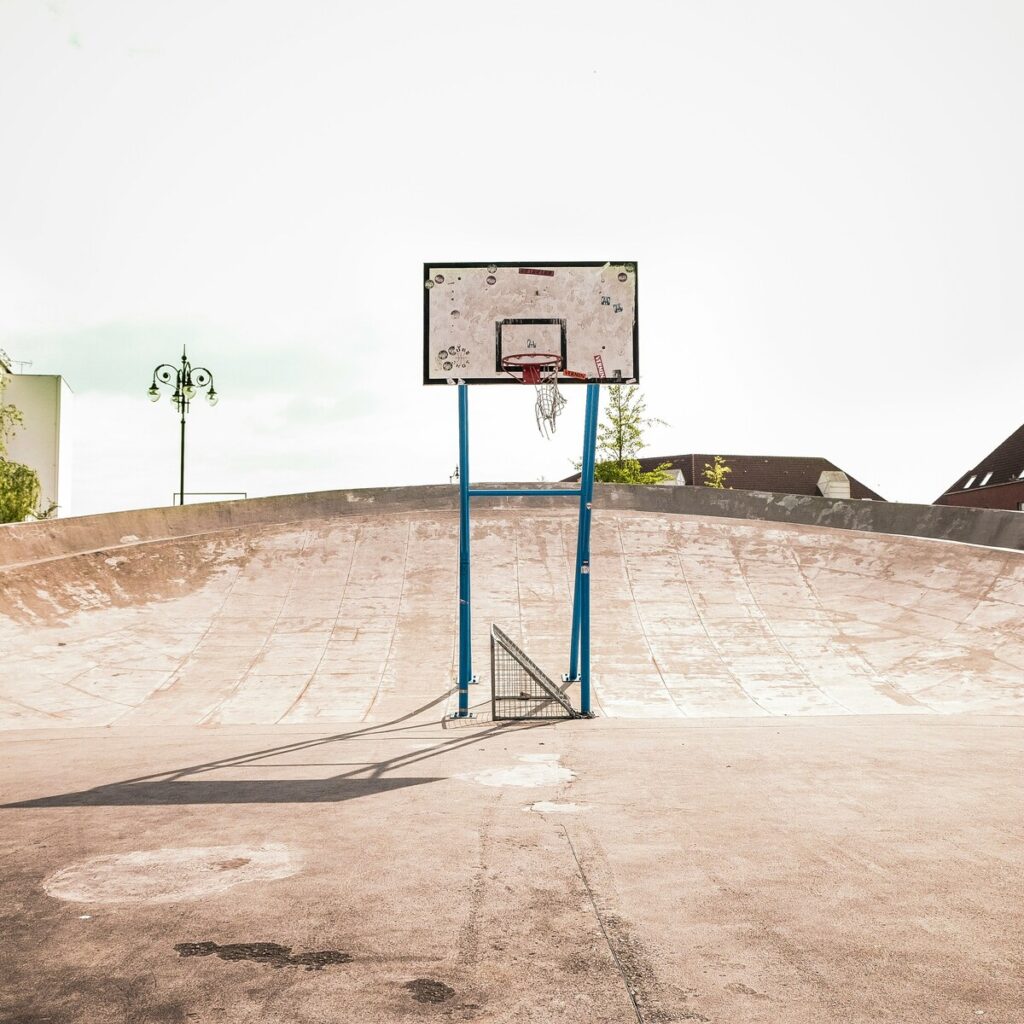
Courts are more than just playing surfaces; they are integral to the sports and recreational experiences that bring communities together. Whether it’s a tennis court, basketball court, or multipurpose sports area, maintaining these facilities is crucial to ensure safety, longevity, and optimal performance. Concrete is a popular choice for constructing courts due to its durability and low maintenance requirements. This blog post delves into the importance of concrete in court construction, effective maintenance strategies, and best practices for ensuring your court remains in top condition.
The Role of Concrete in Court Construction
Concrete is a preferred material for court construction for several reasons. Its inherent properties make it suitable for creating surfaces that can withstand heavy use and varying weather conditions.
Durability and Longevity
Concrete’s durability is one of its primary advantages. Courts constructed from concrete can endure significant wear and tear, making them ideal for high-traffic areas. Unlike other materials that may deteriorate quickly under constant use, concrete maintains its integrity over time, providing a stable playing surface for years.
Low Maintenance
Concrete courts require minimal maintenance compared to other materials like asphalt or clay. This low maintenance aspect is beneficial for facilities with budget constraints or limited access to regular upkeep services. Regular cleaning and occasional sealing are usually sufficient to keep a concrete court in good condition.
Versatility
Concrete can be finished in various ways to suit different sports and recreational needs. It can be textured, colored, or coated with special materials to enhance its performance characteristics. This versatility allows for the customization of courts to meet specific requirements, whether for tennis, basketball, or other activities.
Essential Maintenance Strategies for Concrete Courts
Despite its durability, concrete still requires regular maintenance to ensure it remains in optimal condition. Here are some essential strategies for maintaining concrete courts:
Regular Cleaning
Regular cleaning is vital to prevent the buildup of dirt, debris, and organic materials like moss or algae. These contaminants can make the surface slippery and unsafe. Use a leaf blower, broom, or pressure washer to clean the court thoroughly. For stubborn stains, a mild detergent and water solution can be effective.
Tip: Schedule routine cleanings based on the court’s usage frequency and surrounding environment. More frequent cleanings may be necessary in areas with heavy foliage or high foot traffic.
Surface Inspections
Regular inspections help identify potential issues before they become major problems. Look for cracks, chips, or uneven surfaces that could pose safety hazards. Small cracks can often be repaired with a concrete patching compound, while larger issues may require professional attention.
Tip: Conduct monthly inspections and after severe weather events to ensure any damage is promptly addressed.
Sealing the Surface
Sealing the concrete surface helps protect it from moisture, stains, and wear. A high-quality concrete sealant can extend the court’s life by preventing water penetration and reducing the impact of UV rays. Sealing should be done every 2-3 years, depending on the court’s usage and exposure to the elements.
Tip: Choose a sealant specifically designed for outdoor sports courts to ensure maximum protection and performance.
Resurfacing
Over time, even the best-maintained concrete courts may require resurfacing. Resurfacing involves applying a new layer of concrete or a specialized coating to restore the court’s appearance and performance. This process can address surface imperfections, improve traction, and extend the court’s lifespan.
Tip: Consider resurfacing if the court shows significant wear or if the playing surface becomes uneven. Professional resurfacing can provide a high-quality finish that meets sports-specific requirements.
Best Practices for Maintaining Concrete Courts
To keep concrete courts in top condition, follow these best practices:
Use Proper Equipment
Using the right equipment for maintenance tasks can make a significant difference. For cleaning, use soft-bristled brooms or pressure washers with appropriate settings to avoid damaging the surface. When applying sealants or resurfacing materials, follow the manufacturer’s instructions and use recommended tools.
Tip: Regularly check and maintain maintenance equipment to ensure it remains effective and safe to use.
Manage Vegetation and Drainage
Vegetation around the court can lead to issues like root intrusion and organic debris buildup. Keep surrounding vegetation trimmed and ensure proper drainage to prevent water from pooling on the court. Adequate drainage systems help reduce the risk of water damage and prolong the court’s life.
Tip: Install drainage channels or French drains around the court to direct water away from the playing surface.
Address Weather Impact
Concrete courts are exposed to various weather conditions, from intense sunlight to freezing temperatures. UV rays can cause surface discoloration and deterioration, while freeze-thaw cycles can lead to cracking. Applying protective coatings and sealants can mitigate these effects and maintain the court’s integrity.
Tip: Consider installing shade structures or using temporary covers to protect the court from extreme weather conditions.
Case Studies: Successful Concrete Court Maintenance
Community Tennis Court
A community tennis court faced issues with cracking and surface wear due to heavy use and exposure to the elements. The maintenance team implemented a comprehensive maintenance plan, including regular cleaning, annual sealing, and prompt crack repairs. Additionally, they resurfaced the court every five years. These efforts resulted in a well-maintained court that provided a safe and enjoyable playing experience for the community.
School Basketball Court
A school basketball court suffered from surface deterioration and unevenness. The maintenance team conducted monthly inspections and performed regular cleanings to keep the court free of debris. They also addressed drainage issues by installing perimeter drains and applied a specialized sports court sealant every two years. These proactive measures helped maintain a high-quality playing surface, enhancing the students’ sports experience.
The Future of Concrete Courts
As technology and materials science advance, the future of concrete courts looks promising. Innovations in concrete mixes, coatings, and maintenance techniques will continue to enhance the performance and longevity of sports courts.
Smart Concrete
Smart concrete technology, incorporating sensors and monitoring systems, can provide real-time data on the court’s condition. This innovation allows for proactive maintenance, identifying issues before they become major problems. Smart concrete can also enhance player safety by monitoring surface traction and temperature.
Eco-Friendly Solutions
Sustainability is becoming increasingly important in construction and maintenance. Eco-friendly sealants, coatings, and resurfacing materials are being developed to reduce environmental impact. These products offer the same protective benefits while being less harmful to the environment.
Conclusion
Concrete courts offer durability, versatility, and low maintenance, making them ideal for sports and recreational facilities. However, to maximize their lifespan and performance, regular maintenance is essential. By implementing effective cleaning, inspection, sealing, and resurfacing strategies, and following best practices, you can ensure your concrete court remains in top condition for years to come. As technology continues to evolve, the future of concrete courts promises even greater advancements in durability, safety, and sustainability.
- Ace the Court: Essential Tennis Court Maintenance Tips for Optimal Play
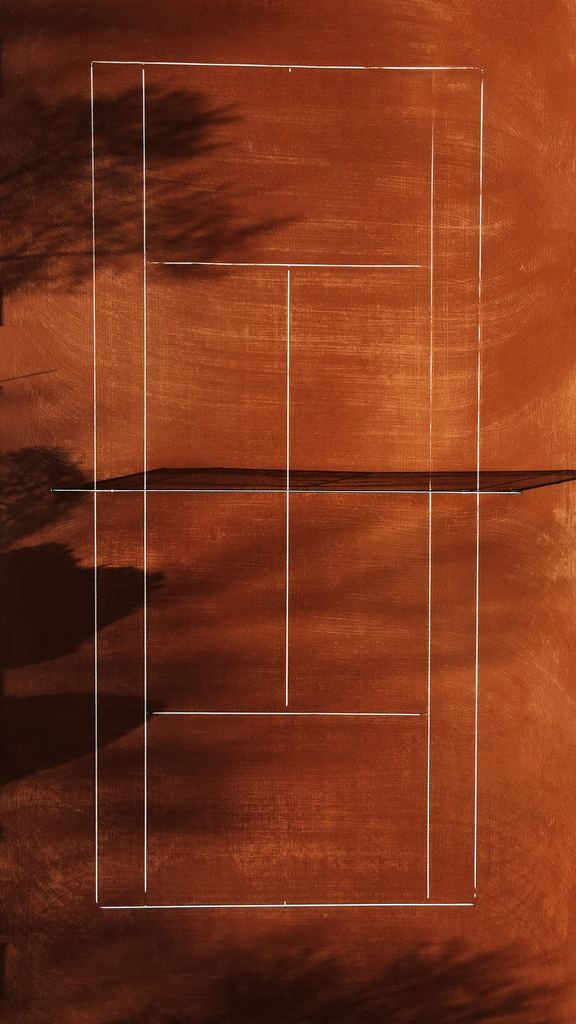
Maintaining a well-kept tennis court is crucial for optimal gameplay and safety. Regular tennis court maintenance ensures a consistent playing surface, extends the court’s lifespan, and enhances the overall tennis experience. In this blog post, we will delve into the world of tennis court maintenance, providing you with essential tips and techniques to keep your court in top shape.
1. Regular Cleaning:
Regular cleaning is the foundation of tennis court maintenance. Sweep the court surface to remove debris, leaves, and any loose dirt. Utilize a leaf blower or a tennis court brush to reach the corners and crevices. Remove any stains or marks using a mild detergent and a soft brush. Regular cleaning prevents the accumulation of dirt and debris, which can affect playability and lead to premature wear and tear.
2. Proper Drainage:
Ensuring proper drainage is crucial to prevent water accumulation on the court. Check the court’s drainage system, including drains, gutters, and channels, to ensure they are clear of debris and functioning effectively. Adequate drainage prevents water from pooling on the court, which can cause slippery surfaces and lead to damage over time.
3. Crack Repair:
Inspect the court for cracks regularly. Small cracks can quickly escalate if left unattended, leading to larger and more expensive repairs. Use a tennis court crack filler or specialized repair product to fill in cracks promptly. Smooth the filled area to match the surrounding surface. Addressing cracks promptly ensures a safe and even playing surface.
4. Resurfacing and Repainting:
Over time, tennis court surfaces can become worn and faded. Consider resurfacing the court every few years to restore its appearance, playability, and safety. Resurfacing involves removing the old surface, repairing any damages, and applying a new layer of acrylic or synthetic coating. Additionally, repaint the court lines and markings for visibility and accuracy. Resurfacing and repainting can breathe new life into the court and extend its lifespan.
5. Net and Post Maintenance:
Inspect the net and posts regularly for any signs of wear or damage. Replace worn-out nets and adjust the tension to ensure proper height and tension. Clean the net regularly to remove dirt, debris, and mildew. Lubricate the net posts to prevent rust and ensure smooth adjustment. Well-maintained nets and posts enhance the overall aesthetics and functionality of the court.
6. Regular Inspections:
Perform regular inspections of the court surface, fencing, lighting, and surrounding areas. Look for any signs of damage, wear, or potential safety hazards. Address any issues promptly to prevent further damage or accidents. Regular inspections allow for early detection of problems, saving you time and money in the long run.
7. Seasonal Maintenance:
Consider seasonal maintenance to address specific weather-related challenges. For example, in areas with harsh winters, snow removal is crucial to prevent ice formation and damage to the court surface. Use non-abrasive snow removal techniques to minimize the impact on the court. In hotter climates, proper hydration and sun protection can prevent surface cracking and discoloration.
8. Professional Maintenance:
While regular maintenance can be done by court owners, hiring professional tennis court maintenance services can provide additional expertise and efficiency. Professionals can perform in-depth inspections, handle complex repairs, and provide specialized treatments such as court resurfacing and reconditioning. Consider consulting with professionals to ensure the long-term integrity of your tennis court.
Conclusion:
Tennis court maintenance plays a vital role in ensuring optimal playability, safety, and longevity. By incorporating regular cleaning, proper drainage, crack repair, resurfacing, net and post maintenance, regular inspections, seasonal maintenance, and considering professional assistance, you can maintain a high-quality tennis court that enhances the overall tennis experience. Remember, a well-maintained court not only improves your game but also extends the lifespan of your investment. Ace your court maintenance routine and enjoy endless hours of tennis fun.
- Mastering the Game: A Guide to Choosing and Caring for Tennis Equipment
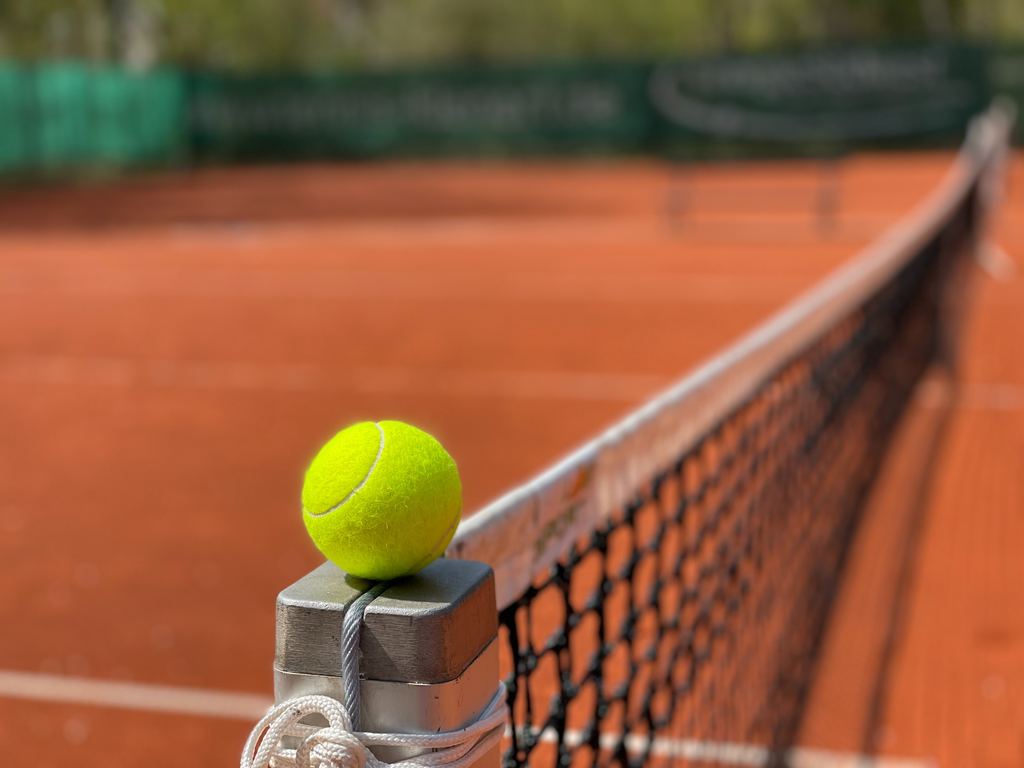
Tennis is a thrilling and dynamic sport that requires precision, agility, and the right equipment. From choosing the perfect racquet to finding the ideal tennis balls and shoes, having the right gear is essential to enhance your performance and enjoyment on the court. In this blog post, we will delve into the world of tennis equipment, providing valuable insights and tips to help you make informed decisions when selecting and caring for your gear.
1. Tennis Racquets:
A tennis racquet is the most crucial piece of equipment for any player. We’ll guide you through the key factors to consider when choosing a racquet, such as head size, weight, balance, and grip size. We’ll also discuss the different types of racquets available, including beginner-friendly options, intermediate racquets, and advanced models for competitive players. Additionally, we’ll provide tips on how to properly care for your racquet to maximize its lifespan.
2. Tennis Balls:
Selecting the right tennis balls can greatly impact your game. We’ll explore the various types of tennis balls available, such as pressurized and pressureless, and explain their differences and characteristics. We’ll also discuss factors like ball speed, durability, and the playing surface to help you choose the perfect balls for your needs. Proper storage and maintenance of tennis balls will also be covered to ensure their optimal performance.
3. Tennis Shoes:
Tennis shoes play a crucial role in providing stability, support, and comfort on the court. We’ll discuss the importance of selecting tennis-specific shoes that offer features like durable outsoles, cushioning, and lateral support. We’ll provide guidance on finding the right fit, considering factors like foot type, playing style, and court surface. Additionally, we’ll share tips on how to care for your tennis shoes to extend their lifespan.
4. Tennis Strings:
The choice of tennis strings can impact your playability and feel. We’ll explore different types of strings, such as synthetic gut, polyester, multifilament, and natural gut, highlighting their characteristics and advantages. We’ll discuss factors like string tension, gauge, and durability, helping you make an informed decision when selecting strings for your racquet. Proper string maintenance and restringing tips will also be covered.
5. Grips and Overgrips:
Having a comfortable and secure grip is essential for optimal performance. We’ll explain the importance of grip size and guide you in selecting the right grip or overgrip for your racquet. We’ll discuss the different materials, textures, and thickness options available, allowing you to find the perfect grip that enhances control and reduces the risk of slippage during play.
6. Equipment Bags:
Keeping your tennis gear organized and protected is essential. We’ll provide insights on choosing the right tennis bag based on your needs, whether it’s a small backpack for casual play or a larger bag for tournament travel. We’ll discuss the features to consider, such as compartments, durability, and comfort, helping you find a bag that accommodates your equipment and personal preferences.
7. Equipment Care and Maintenance:
Proper care and maintenance of your tennis equipment are crucial for longevity and optimal performance. We’ll share tips on maintaining your racquet, including string care, grip replacement, and frame protection. We’ll also discuss how to keep your tennis balls in good condition and offer guidance on cleaning and storing your tennis shoes to extend their lifespan.
8. Upgrading and Adjusting:
As your game evolves, you may need to upgrade or make adjustments to your equipment. We’ll provide guidance on when it might be time to upgrade your racquet, change strings, or try different types of tennis balls. We’ll also discuss the importance of regularly evaluating your gear to ensure it aligns with your current skill level and playing style.
Conclusion:
Choosing and caring for your tennis equipment is essential to maximize your performance and enjoyment on the court. By understanding the key factors to consider when selecting racquets, balls, shoes, strings, and other gear, you can make informed decisions that align with your playing style and needs. Additionally, proper equipment maintenance ensures longevity and optimal performance, allowing you to continue playing at your best. With the right equipment in hand and proper care, you can master the game of tennis and elevate your skills to new heights.
- From Court to Champion: Unlocking the Secrets of Tennis Success
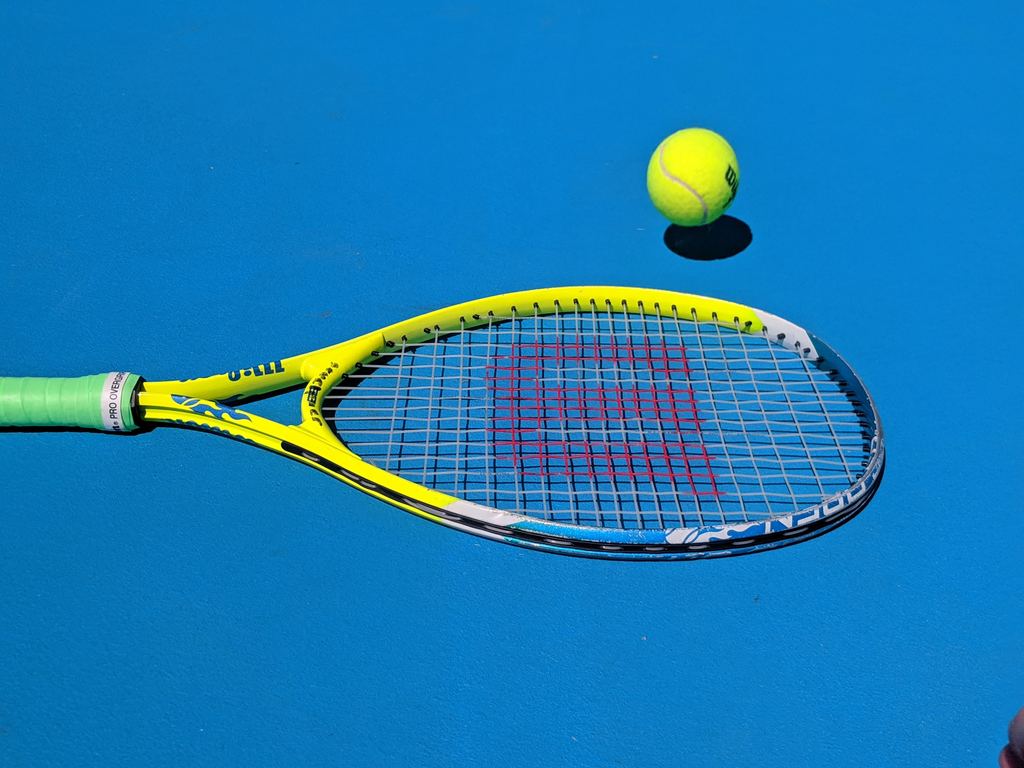
Tennis is a sport that requires skill, strategy, and a strong mental game. Whether you’re a beginner or an experienced player, there are essential elements that can help elevate your game and unlock your true potential on the court. In this blog post, we will delve into the secrets of tennis success, providing you with valuable insights and strategies to improve your skills, enhance your performance, and take your game to the next level.
1. Mastering the Fundamentals:
Success in tennis begins with mastering the fundamentals. We’ll explore the key elements of a strong tennis foundation, including proper grip, footwork, balance, and strokes such as forehand, backhand, serve, and volley. We’ll provide tips and drills to help you refine your technique, develop consistency, and maximize your shot-making abilities.
2. Developing Physical Fitness:
Physical fitness plays a crucial role in tennis success. We’ll discuss the importance of strength, agility, speed, and endurance on the court. We’ll provide guidance on incorporating fitness training into your routine, including exercises for strength, flexibility, cardiovascular fitness, and injury prevention. Developing a well-rounded fitness regimen will enhance your performance and help you stay competitive during matches.
3. Sharpening Mental Toughness:
Tennis is as much a mental game as it is a physical one. We’ll explore techniques to sharpen your mental toughness and develop a winning mindset. From visualization and positive self-talk to managing stress and maintaining focus, we’ll provide strategies to overcome challenges, handle pressure, and stay mentally resilient during matches. A strong mental game can make a significant difference in your performance on the court.
4. Understanding Strategy and Tactics:
Tennis is a game of strategy and tactics. We’ll delve into various strategies and tactics, including offensive and defensive techniques, shot selection, positioning, and playing to your strengths. We’ll discuss how to read your opponent, anticipate their shots, and adjust your game plan accordingly. Understanding and implementing effective strategies can give you a competitive edge and help you outsmart your opponents.
5. Practicing with Purpose:
Effective practice is essential for improvement in tennis. We’ll guide you on how to structure your practice sessions, including drills, match play, and targeted exercises to address specific areas of weakness. We’ll emphasize the importance of deliberate practice, focusing on quality over quantity, and incorporating variety into your training routine. Purposeful practice will accelerate your progress and elevate your skills.
6. Seeking Professional Guidance:
Working with a qualified tennis coach or instructor can provide invaluable guidance and feedback. We’ll discuss the benefits of seeking professional instruction, including personalized guidance, technical corrections, tactical insights, and customized training plans. A coach can help identify areas for improvement, fine-tune your technique, and provide support and motivation on your tennis journey.
7. Embracing Competition and Continued Learning:
Participating in competitive matches is essential for growth and improvement in tennis. We’ll encourage you to embrace competitive opportunities, whether in tournaments, leagues, or friendly matches. We’ll also highlight the importance of continued learning and staying updated with the latest trends, strategies, and equipment advancements in the tennis world. Embracing competition and remaining open to learning will foster your development as a tennis player.
8. Balancing Enjoyment and Commitment:
While success in tennis requires dedication and hard work, it’s important to strike a balance between enjoyment and commitment. We’ll remind you to find joy in the process, celebrate small victories, and maintain a love for the game. Balancing enjoyment and commitment will sustain your passion for tennis and keep you motivated to achieve your goals.
Conclusion:
Achieving tennis success is a journey that requires a combination of technical skill, physical fitness, mental resilience, strategic thinking, purposeful practice, professional guidance, competition, and a love for the game. By mastering the fundamentals, developing physical fitness, sharpening mental toughness, understanding strategy and tactics, practicing with purpose, seeking professional guidance, embracing competition and continued learning, and balancing enjoyment and commitment, you can unlock the secrets of tennis success and elevate your game to new heights. Embrace the challenges, enjoy the process, and let your passion for tennis drive you towards becoming a champion on the court.